ADHD and Confidence: How to Rebuild Self-Esteem and Trust Yourself Again

The root meaning of the word “confidence” comes from the Latin term, confidentia. The prefex com, means completely or with, and the word fidere, means to trust. Together it means “to trust completely.”
Lifelong struggles with focus, organization, deadlines, piles of unfinished projects, misplaced items, time blindness, daily frustrations and overwhelm tend to make adults with ADHD not trust themselves. Add to that being criticized, misunderstood and even called lazy.
You may have experienced academic struggles, work challenges, social difficulties or problems with intense emotions that are hard to control. Each challenge impacts how we see ourselves, leading to doubt and low motivation. Setbacks are not personal failures. With a diagnosis and good treatment, we can reframe our experience, reclaim our confidence and become empowered.
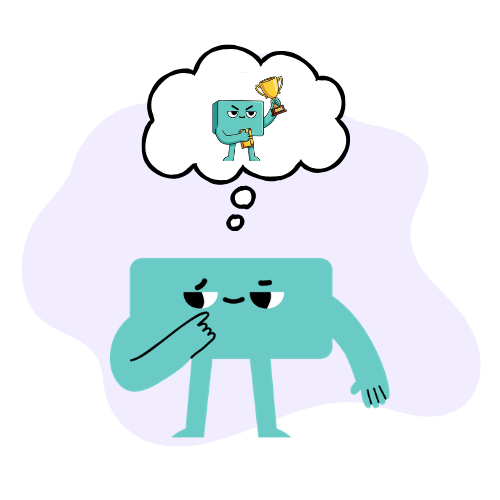
What is Confidence?
The state of trust or strong belief in yourself, your abilities or another person.
Trusting your own power, skill and judgement to handle life.
Self-efficacy; the belief you can finish a task or goal.
Psychologist Albert Bandina states that there are four sources of confidence; self-awareness, self-care, self-belief and self-expression.
One thing we can say for sure, is that confidence comes AFTER taking an action, not before.
Why is confidence so hard for people with ADHD?
Cumulative Criticism: The core symptoms of ADHD, namely distractibility, hyperactivity and impulsivity, are often mistaken for laziness or lack of caring. Struggling in certain areas that other people seem to do fine in erodes self-esteem.
Executive Function Challenges: Issues with the brain’s management system can result in daily frustrations with time blindness, forgetfulness, organizing, planning, task initiation and procrastination to name a few. Others lose patience if we forgot something we promised to do, or are late. Again.
Emotional Intensity: Emotions are more intense for individuals with ADHD as well as the ability to manage them. Rejection Sensitive Dysphoria (RSD) makes criticism much more painful. A small correction can feel like total rejection and reinforce the belief that we are flawed.
High Achiever Paradox: People with ADHD may be capable but feel like imposters on the inside. This leads to masking and hiding who we truly are.
ADHD deeply impacts self-confidence!
“Living with ADHD often means carrying invisible weight.”
How Can We Build Self-Esteem?
Identify Personal Strengths. A strength-based approach is essential when you have a disorder with the word ‘deficit’ in it. People who can hyper-focus do not have a deficit of attention, but rather a variable attention. It is essential to discover and acknowledge your strengths as you manage the challenges. You can discover your top 5 transferrable strengths by taking the VIA Character Survey.

Challenge negative self-talk. Daniel Amen developed a list of Automatic Negative Thoughts (ANTs). Just like ants at a picnic can ruin the food, the use of negative language impacts self-esteem. The brain believes every word that we say.
Set realistic goals and start small. A single daily action can have a huge impact. It is the antidote to overwhelm. Ask, “What can I do?” If you are stuck ask, “Who can help?”
Seek Support. Get connected to the ADHD community. Check out ADDA, the Attention Deficit Organization for adults. You will find support groups, productivity partners, training and wonderful information to inform your journey.
Practice Self-Compassion. Self-compassion goes a lot further than self-criticism. It takes 5 positive statements to counteract one negative statement. Acknowledge what you did well. You will train your brain to seek out positives.
Consider Therapy. Cognitive Behavioral Therapy (CBT) or trauma informed therapy can help to reframe and make sense of the past, especially if you feel stuck. Especially powerful for ADHD can be ART, ACT, and EMDR.
Find a Life Coach. A life coach can provide customized support in developing skills and strategies to navigate daily challenges. You will discover where your ADHD shows up and exactly what to do about it.
Get educated. Learn all you can about ADHD and separate the truth from the myths. The ADHD Awareness Month website has many fine resources that you are free to share with others.
Neurological differences are not character flaws. The brain with ADHD works differently, not deficiently! Confidence can be built in one area at a time. We know that confidence comes AFTER taking an action, not before it. You don’t even have to feel ready. It is those who move towards their ADHD through diagnosis, treatment and hands on support that have good lives. ADHD shrinks and your life gets better. You experience a sense of control that is empowering. Take an action and level up your confidence today!
For hands on support in discovering your strengths and navigating the challenges click here.
“Optimism is the faith that leads to achievement. Nothing can be done without hope and confidence.”
- Helen Keller
Resources
How Does ADHD Affect Self-Esteem? www.affinitypsych.com
ADHD and Self-Esteemwww.thinkadhd.co.uk
The Hidden Toll of ADHD on Self-Esteemwww.uniquembhs.com
Does Your ADHD Make You Lack Confidence in The Hidden Toll of ADHD on Self-Esteem- and How to Rebuild Confidence Yourself? https://www.reddit.com
Do You Struggle with ADHD and Feel Bad About Yourself? https://www.psychcologytoday.com
Free Adult ADHD Self-Test http://add.org
Adult ADHD Organization, ADDA www.add.org
ADDitude Magazine www.addmagazine.com
Children and Adults with ADHD Organization www.chadd.org