
Think, Feel, Act: How to Get Unstuck and Overcome ADHD Paralysis
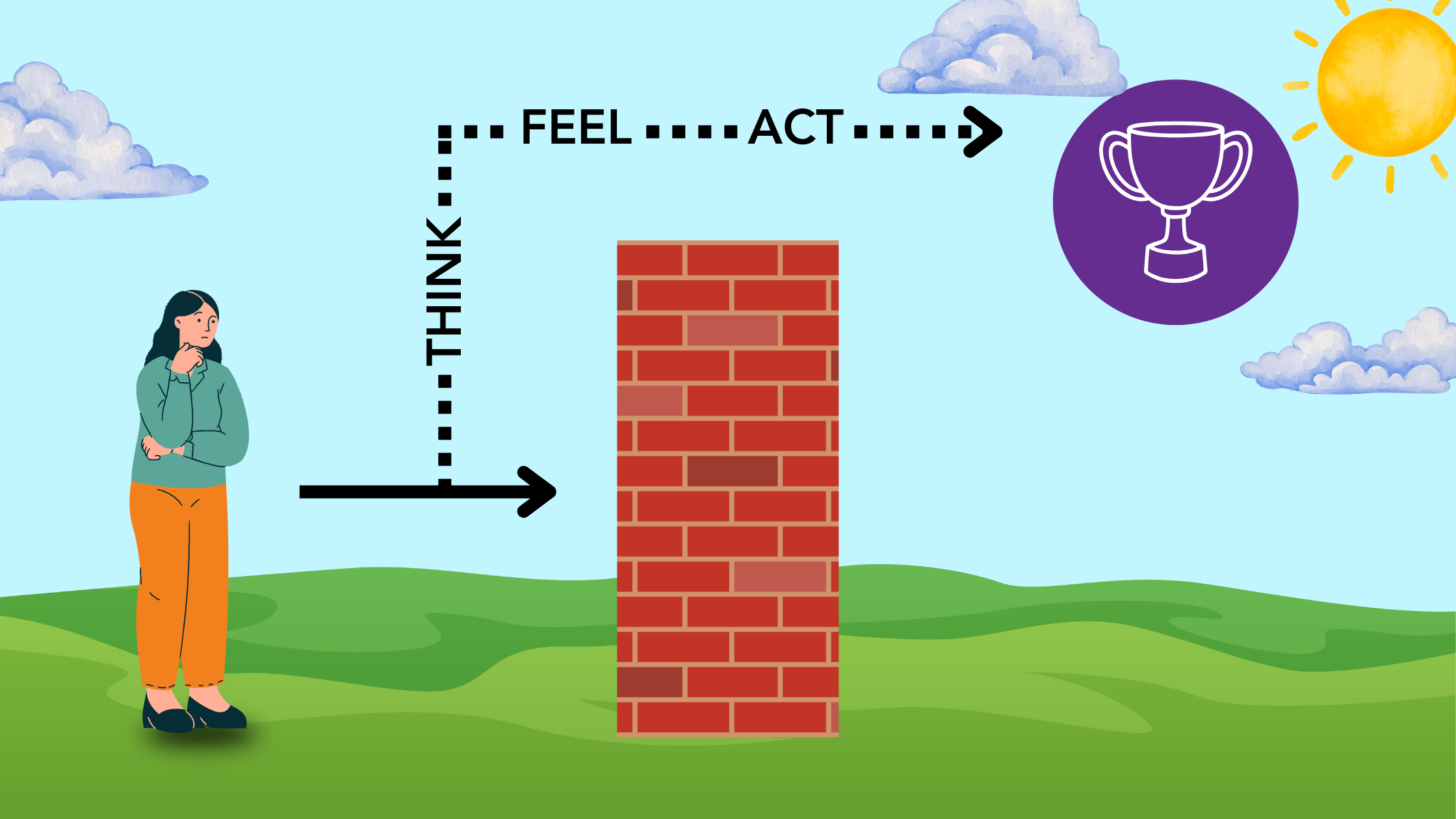
Monitoring Your Internal Dialogue Matters
Have you ever experienced a mental freeze when trying to start a task? This feeling might stem from executive function challenges, such as difficulty planning, estimating time or organizing. For people with ADHD, being stuck often results from low dopamine levels, perfectionism or overwhelm. Sometimes, we ruminate on past failures—or even perceived failures—and paralysis sets in. Then, we beat ourselves up for not completing tasks as easily as others seem to.
Let’s define what it means to feel stuck:
Stuck: Unable to move past a particular position or situation; something frozen or fixed in one place and unable to change.
But what if you could pause and notice how your thoughts influence your emotions and actions? What if you could intentionally shift your internal dialogue to break free?

The Think-Feel-Act Model
The Think-Feel-Act Model is rooted in Cognitive Behavioral Therapy (CBT), which has proven highly effective for people with ADHD. This model demonstrates that our thoughts influence our emotions, which in turn drive our actions. By identifying and shifting negative thought patterns, we can reframe the emotions tied to those thoughts and respond differently.
In essence, if one thought keeps you stuck, a different thought might move you forward!
We often underestimate the power of our thoughts and remain unaware of how much control they hold over our actions.
How ADHD Disrupts the Think-Feel-Act Cycle
For individuals with ADHD, the Think-Feel-Act cycle can become interrupted due to:
Impulsivity: Acting before pausing to think.
Distraction: Difficulty focusing on thoughts long enough to process them.
Emotional Intensity: Experiencing strong emotions that are hard to regulate.
Negative Thought Patterns: Internalizing past criticism, leading to self-judgment.
Many people with ADHD have experienced judgment from others who don’t understand the condition, hearing comments like:
“You’re so smart—why didn’t you finish this on time? You’re just lazy.”
“If you cared, you would’ve remembered to pick up dinner when I asked.”
Over time, we internalize these messages, which fuel harsh self-criticism and reinforce the negative cycle.
Becoming Aware of Your Thoughts
Breaking free from being stuck starts with awareness. Here’s how to begin:

1. Pause to Notice Your Thoughts
Ask yourself: What am I saying to myself right now?
Example: “The whole day is wasted!”
2. Evaluate the Helpfulness of That Thought
Ask: Is this thought useful? Does it help me move forward?
Example: “No, this thought just makes me want to give up.”
3. Identify How That Thought Makes You Feel
Example: “It makes me feel sluggish, depressed, like I’m a failure.”
4. Reframe the Thought
Choose a thought that serves you better.
Example: “I know it’s late, but what CAN I do right now?”
One pattern of thinking shuts you down, while another can propel you into action.
Why This Works
Reframing negative thoughts to positive or neutral ones allows you to manage your emotions more effectively, leading to action rather than paralysis.
”The big thing to remember is that our feelings—all of them—are created in our bodies by our thoughts."
-Megan Ruffino
Takeaways
Increase Awareness: Intentionally notice what you’re saying to yourself.
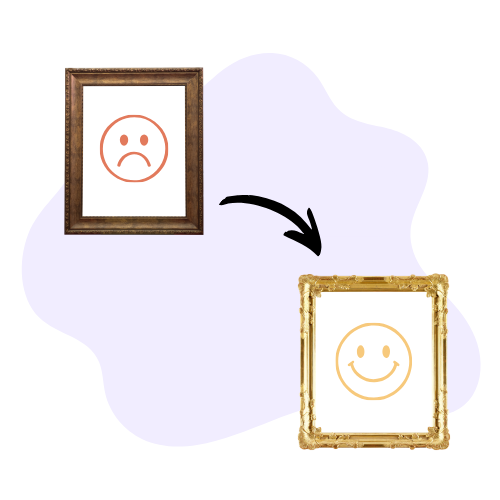
Reframe Your Thoughts: Pause and choose a more useful, constructive thought.
Practice Self-Compassion: Harsh self-judgment shuts you down, while self-compassion pulls you forward.
Choose Positive Statements: Positive internal dialogue helps regulate emotions and motivates action.
Changing your thought patterns begins with noticing them. When you replace negative internal dialogue with more useful thoughts, you can create positive emotions that lead to action.
Try the Think-Feel-Act Model to Get Unstuck
If you’re feeling stuck, try this method and see how it transforms your mindset. With practice, you can shift your thoughts, regulate your emotions and move forward with greater ease.
For support in navigating the daily challenges of ADHD, click here to schedule a free sessions with an ADHD coach.
"The Think-Feel-Act Cycle is a framework that we can use to understand how and why we feel the way we do. And it’s also a tool that we can use to change the way we think and act.”
– Megan Ruffino