
Is ADHD a Gift?
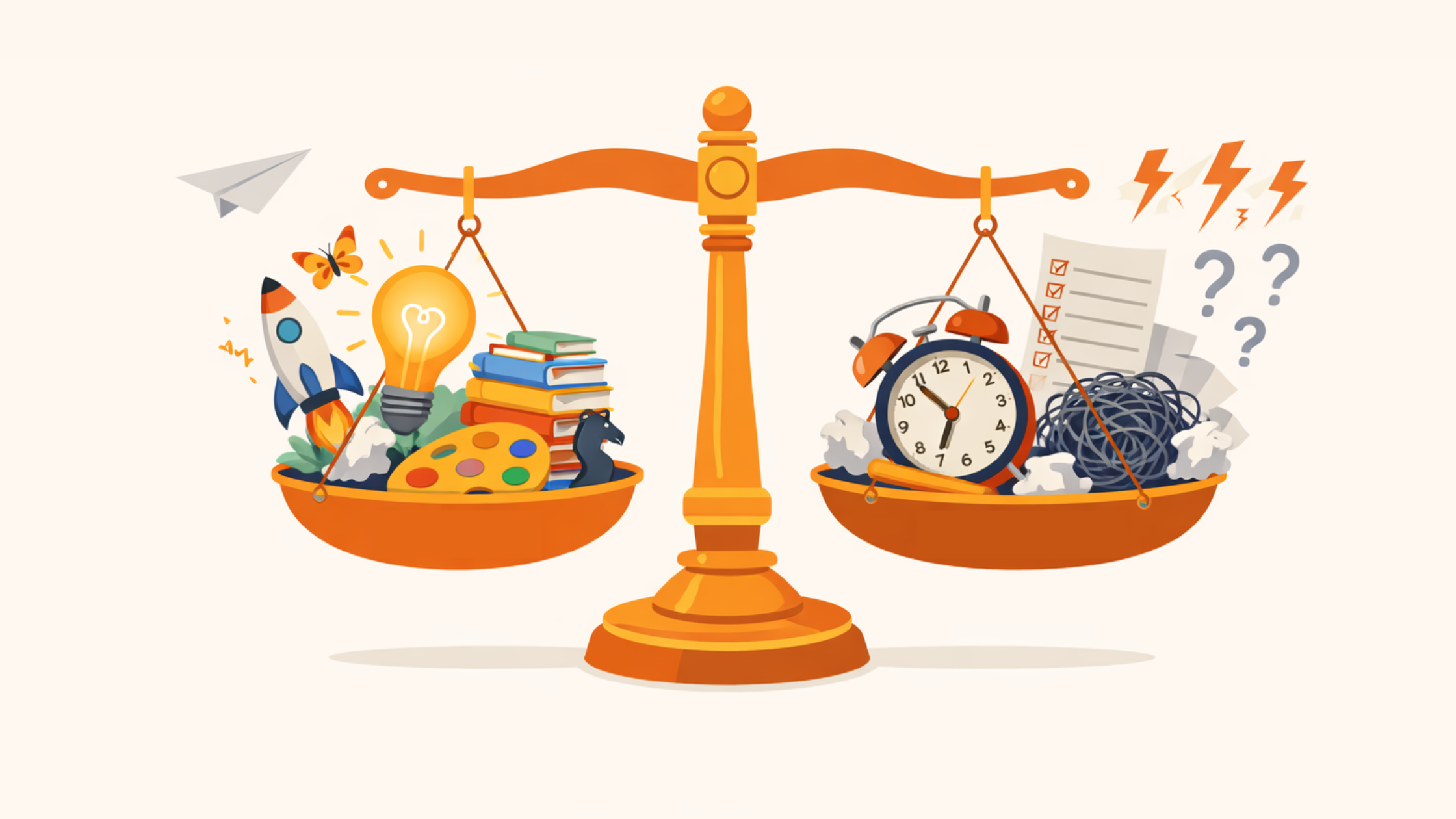
Some call ADHD an impairment while others might call it a gift. I don’t believe ADHD is a gift, though people with ADHD certainly have gifts!

Understanding ADHD’s Challenges
The difficulties associated with ADHD are significant. Common struggles include:
Hyperactivity, impulsivity and inattention.
Executive function deficits and emotional regulation challenges.
“Time blindness,” learning difficulties and co-existing conditions like anxiety and depression.
These obstacles often hinder individuals with ADHD from fully developing their innate potential. Yet, the biggest side effect of ADHD might be its impact on self-esteem.
The Real “Gifts” of ADHD
Discovering Solutions: As we seek sound treatment and healthier coping mechanisms, we gain control over our lives, leading to a stronger sense of self. Working smart—not just hard—becomes the key to success.
Uncovering Strengths: Managing ADHD helps reveal personal strengths. Tools like the VIA Character Survey allow individuals to discover and leverage transferable skills, leading to a strength-based approach to overcoming challenges.
How “ADHD as a Gift” Became a Concept
The idea of ADHD as a “gift” emerged in the 2000s and 2010s, fueled by:
The rise of positive psychology, which shifted focus from deficits to strengths.
The neurodiversity movement, which reframed ADHD as a variation in brain functioning, not a disorder.
Research that emphasized building on strengths rather than just managing behaviors.
Early ADHD research (1970s–1990s) was largely deficit-focused, with parents often blamed for their children’s struggles. Today, the conversation is more balanced, recognizing both strengths and challenges.
Differing Perspectives on ADHD
Dr. Ned Hallowell and Dr. Russell A. Barkley, two major voices in the ADHD community, hold opposing beliefs regarding the giftedness of ADHD. Hallowell is seen as the optimist, emphasizing the “gift,” while Barkley is seen as the realist, highlighting the “impairment.”
Dr. Ned Hallowell: ADHD as a Gift
Psychiatrist Dr. Ned Hallowell, who has ADHD and dyslexia, emphasizes unwrapping strengths such as creativity, hyper-focus, enthusiasm and energy. He compares ADHD to having a "Ferrari brain with bicycle brakes"—a powerful engine that needs the right support.
Hallowell credits his success to teachers who recognized his potential and tailored their guidance. He encourages others to manage ADHD’s downsides while capitalizing on personal strengths, passions and supportive environments.
Dr. Russell Barkley: ADHD as a Disability
In contrast, Dr. Russell Barkley views ADHD as a serious disorder. With over 300 scientific articles and 25 books on ADHD, he advocates for emphasizing the disorder’s impairments rather than glorifying it as a gift.
Barkley’s perspective is shaped by his twin brother’s untimely death, which he attributes to unmanaged ADHD. He warns that untreated ADHD can lead to significant risks, including lower life expectancy. For Barkley, ADHD requires compassion, treatment and societal support—not romanticization.

Two Sides of One Coin
Radio host Glenn Beck said, “ADHD is a gift for my work, but not for my marriage.”
Psychotherapist Sari Solden, MS, makes the analogy of the ADHD brain being like a tangled necklace. There are thoughts, memories and emotions that are all connected and catch on to each other. It refers to the internal experience of ADHD, especially for women. Solden emphasizes how women often struggle to untangle their true selves from the shame of not meeting societal expectations.
“Having an ADHD brain is like a having a beautiful gold necklace. There is nothing wrong with it, but it has to be untangled.”
- Sari Solden, MS
Noted personalities like Ty Pennington, tv designer, and Michael Phelps, 6-time Olympic gold medal winner, have credited ADHD for as a factor in their success, calling it a “superpower.” Yet, both have gotten in trouble with the law in their younger years. Pennington and Phelps did succeed by reaching out for strategies, support and treatment to manage their ADHD.
While some see ADHD as a superpower, others note that this viewpoint can feel invalidating to those who face severe daily struggles. The cost of visiting various providers can be substantial. You might not get sleep or be struggling to keep your job. You may be helping a child with ADHD do homework for hours, or your relationship may be on the rocks because dialing down your emotions is hard.
“The person with ADHD is gifted, not necessarily the disorder. ADHD can create a different brain, but your personal individual gifts are your own, regardless of your diagnosis.”
- Inattentive ADHD Coalition

The “Gift” of Effective ADHD Treatment
The real gift lies in embracing the diagnosis and putting supports in place to live a fulfilling life. Benefits of effective treatment include:
Self-discovery: Learning who you are beyond ADHD.
Advocacy: Using your voice for ADHD and other causes.
Strength-focused growth: Leveraging personal strengths to thrive.
Skill-building: Developing transferable skills and actionable strategies to address ADHD’s challenges.
Confidence: Gaining control, awareness, and hope for the future.
Life transformation: Shrinking ADHD’s hold as life becomes bigger.
Good treatment empowers individuals to try differently, not harder, in alignment with their unique brain wiring.
Is ADHD a Gift?
No.
The gift is your ability to self-manage and move confidently forward in your strengths. ADHD gets smaller and life gets bigger. The challenges of ADHD no longer hold you back. You no longer try harder, you try differently, and in a way that makes sense with your unique brain wiring. You do what you do best and get help for the rest. Now that sounds like a gift!
Ready to get help? Schedule a FREE consultation today!
“I don’t fear the storm, for I have learned how to steer my ship.”
- Louisa May Alcott
Resources
The Gift of ADHD,” Claudia Skowron, MS, Psychology Today
“ADHD Has Its Gifts, But It's Not a Strength,” Cynthia Hammer, MSW
Driven to Distraction, Dr. Ned Hallowell (Book)
When an Adult You Love Has ADHD, Dr. Russell Barkley (Book)
Learn about ADHD perspectives at Spotify, CHADD, and Inattentive ADHD Coalition.