
Ready, Get Set, Go! How to Get Started When You Have ADHD

You go to bed late and wake up exhausted. You sit on the side of the bed in a stupor. You’ve put off returning that phone call because you know that they will want something and you hate talking on the phone anyway. You had hoped to get going on that project today, but you are dragging and aren’t quite sure how to approach it. You wonder how ‘normal’ people do it. You promised a friend to do that garage sale with her but the thought of it is overwhelming. Sorting through stuff requires too many decisions and makes your head hurt. You stare at the to do list as anxiety mounts. You have to tidy up an area before you can even think about starting. You procrastinate, going from one thing to another, delaying the task at hand.
If you struggle to get started, you are not alone!
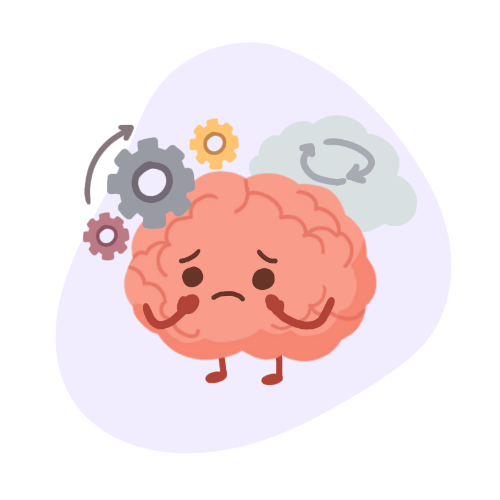
What makes starting so hard?
Low dopamine equals low motivation. Dopamine is a brain chemical that people with ADHD don’t have much of. ADHD medication can help to supply dopamine.
People with ADHD have an interest based nervous system. When a task is boring, has too many steps or is not stimulating, it makes it hard to start. As we all know, we can hyperfocus on something that is stimulating and that holds interest for us.
Executive functioning challenges make it hard to turn on the brain for complex or more urgent tasks. We struggle to plan, organize, prioritize, break down projects and to manage time, to name a few.
High emotions hijack focus and block action. We become frustrated or overwhelmed, which keeps us stuck.
Overthinking leads to procrastination. We try to do it perfectly in order to compensate for our perceived shortcomings.
It takes way more energy to start than to maintain. A still object takes more energy to move than one already in motion.
How can I get into action?
Lower the barrier to entry. In other words, make it easier to start. If I want to exercise, I’ll put my sweats and sneakers by the bed so that I can put them on (instead of looking for them) as soon as I wake up, which positions me for success.
Take a bite out of the task (by having a plan in place) ahead of time. It might look like pausing to think about what you will need to do the job and gathering supplies the day before. Preparing ahead makes it much easier to begin, which is hard enough!
Verbally process a challenging task with a friend. It is like having a second brain.
Big tasks become doable when the first step is tiny. Tiimo’s AI-Powered Co-Planner can help by breaking down tasks into manageable steps. You empty your brain and Tiimo sorts it out. It lowers the mental effort it takes to begin.
5. Harness emotion by recognizing that every task has an emotional tag. I might not want to make a phone call because it is about scheduling a surgery. It is not the phone call in and of itself that is difficult, but the emotion connected to it. Noticing the tag gives clarity and helps us to move forward.
6. Schedule your energy, not just your time. Do a difficult task at your best time of day instead of trying to push through the slumps. If you are a morning person, that will be your best time to write that report.
7. Use timers to help you both see and manage time. Time Timer is an excellent visual timer that helps you notice the passage of time. Short increments of time on a dreaded task equal success, as the task at hand has a beginning and an end.
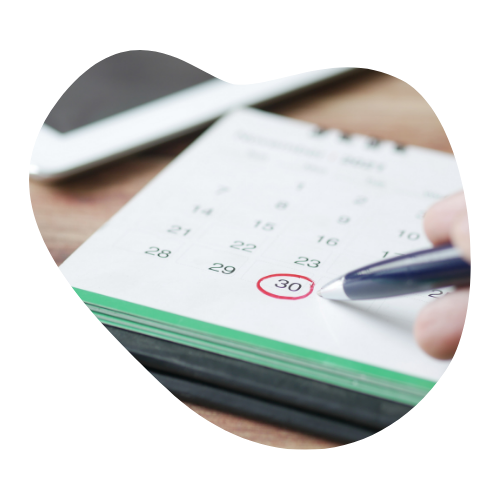
8. Set artificial deadlines. A deadline creates a sense of urgency that helps increase focus.
9. Reward yourself each step of the way. The reward will increase dopamine and you will begin to associate the pay-off with the tough task.
10. Verb your to do list. Write tasks under categories like: go, email, call and find. Verbing helps to categorize types of tasks, giving clarity and energy to the task.
Turn friction into flow! Build your day around your energy, not your schedule. Notice and repeat what works. This builds in predictability that is empowering. With a plan in place, you don’t have to rely on motivation alone to get into action. Get started today and experience success with ADHD!
Schedule a FREE consultation with an ADHD coach for help getting started!
“It is often the small steps, not the giant leaps that bring about the most lasting change.”
- Queen Elizabeth ll
Resources
Why Starting Tasks with ADHD Feels Impossible- Francis Coppa, www.hallowelltodaro.com
I’m a Serial Procrastinator, Why Getting Started is Endlessly Hard- www.additudemag.com
Why Starting Tasks Feels Impossible with ADHD- Beaux Miebach, www.tiimoapp.com
Time Timer- www.timetimer.com